The short answer
Choose aluminium if you want slim frames, large panes of glass, wide sliding or folding doors, or frames that stay rigid and colour-stable in strong sun — it is stronger and stiffer than uPVC, so it holds more glass with less frame. uPVC can cost less for standard-size windows and insulates well on its own. For most homes, the size of each opening, the look you want and your budget decide it — and it’s fine to use both.
Aluminium vs uPVC at a glance
| Aluminium | uPVC | |
|---|---|---|
| Strength and frame size | Very strong and stiff — slim frames, large panels | Needs thicker, usually steel-reinforced frames for the same size |
| Wide openings | Ideal for big sliding and folding doors and floor-to-ceiling glass | Practical limits on panel size |
| Strong sun | Doesn’t soften or warp; finishes stay stable | Expands more with heat; large frames are usually white or light-coloured |
| Insulation | Good with the right glass; thermally broken profiles insulate better | A good insulator in itself |
| Finishes | Powder-coated or anodised — white, black, grey, brown, wood finish and more | Mostly white, with foil-laminated colours |
| Upkeep | Wipe the frames and clean the tracks now and then | Wipe the frames now and then; avoid harsh solvents |
| Price | Often more for small standard windows | Often less for standard-size windows |
Both materials come in many grades. A well-made system from a reputable maker, installed properly, matters more than the material alone.
When aluminium is the better choice
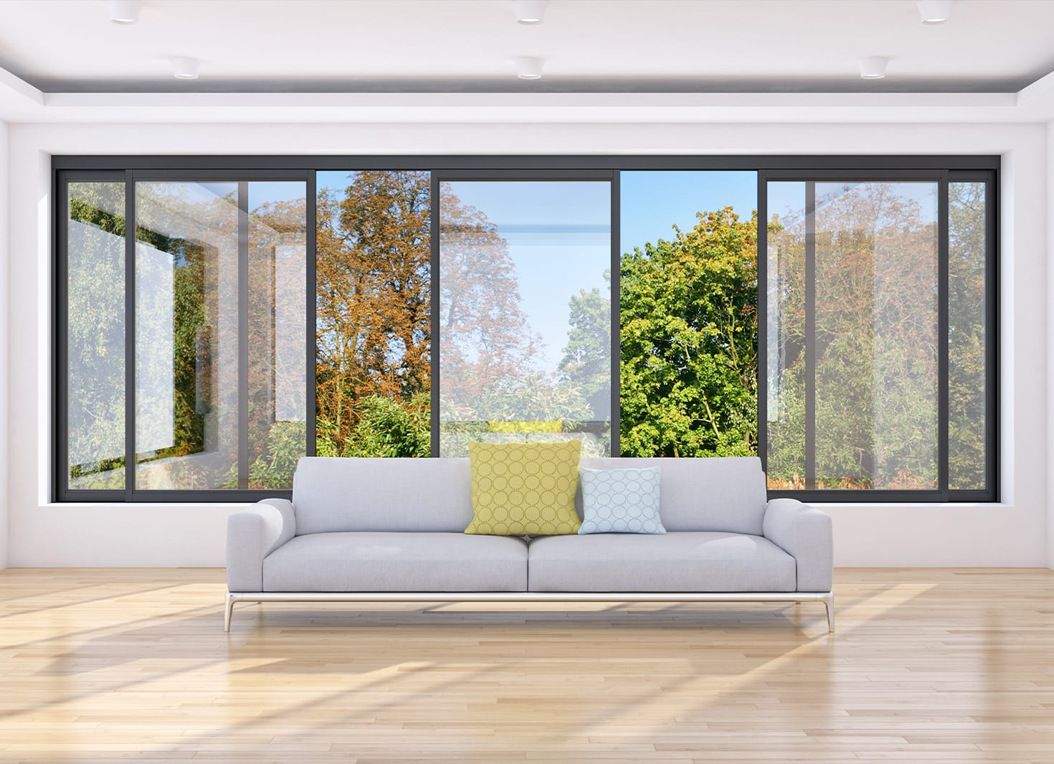
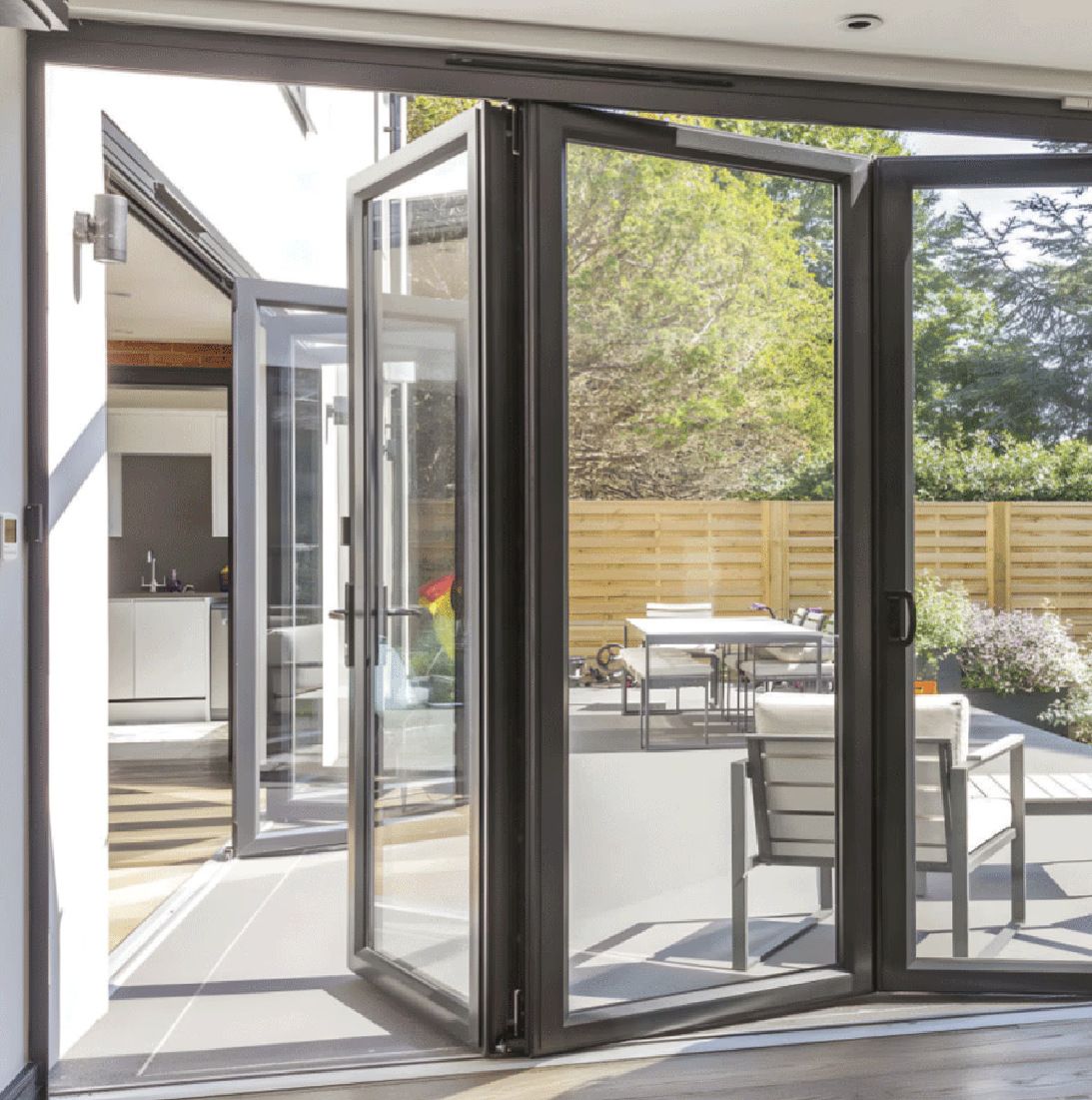
- Wide sliding doors to balconies and terraces, and folding doors that open a whole wall to a garden.
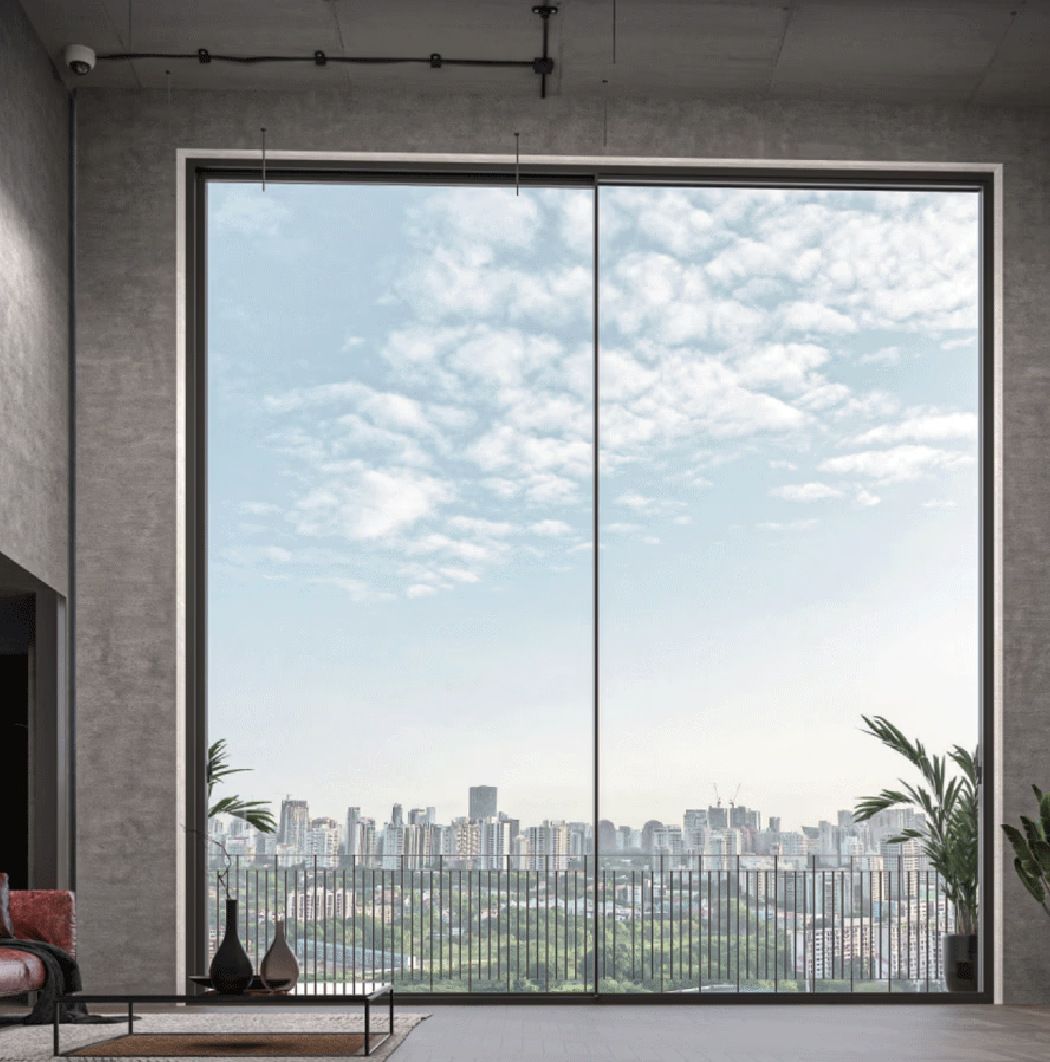
- Floor-to-ceiling glass and slim sightlines — Corinzo’s slim systems bring the interlock between panels down to as little as 18 mm. See slim & ultra-slim systems.
- Walls that take the afternoon sun, where frames must stay straight and their colour stable for years.
- Large panes on upper floors, where a stiffer frame helps against the wind.
- A particular colour or look — black, grey or wood-finish frames, or a slim modern profile.
When uPVC makes sense
- Standard-size windows in bedrooms, bathrooms and utility areas, when budget matters most.
- Small openings, where a slimmer frame makes little visible difference.
- Homes right by the sea — uPVC itself doesn’t corrode, though its steel reinforcement and hardware still need protecting. Aluminium with a quality finish and stainless-steel hardware does well near the coast too.
We supply and install Corinzo aluminium systems — and we’ll still tell you honestly when uPVC would serve an opening just as well.
Heat, noise and dust: the glass and seals matter most
Whatever the frame, glass makes up most of a window — so it decides most of the heat and noise that comes through.
- Heat: on west- and south-facing walls, choose solar-control (tinted or reflective) glass or double-glazed units. Clear glass is fine on shaded sides.
- Noise: laminated or double-glazed glass in a tight-sealing casement is the quietest choice. Sliding windows are convenient but seal less tightly than casements.
- Dust and rain: look for proper gaskets, brush seals and built-in drainage.
- Installation: a frame fitted level and square, and sealed properly to the wall, is what keeps water and dust out year after year.
There’s more on this in our guide to windows for Telangana and Andhra Pradesh weather.
What drives the cost
Prices vary a lot from one opening to the next, so be wary of a single per-square-foot figure. The main things that move the price:
- The size of the opening and the number of panels
- The system or series, and its profile thickness
- The glass — toughened, laminated, tinted or double-glazed
- The finish and colour
- Hardware, locks and fly mesh
- Access and installation height
Ask for an itemised quote, opening by opening, so you can compare like with like — that’s how we quote every project.
Room by room
| Room or opening | Usually works well |
|---|---|
| Living room to a balcony | Aluminium sliding door — or a slim sliding system for more glass |
| Wall to a garden or terrace | Aluminium folding (bi-fold) door |
| Bedroom on a busy road | Casement with laminated or double glazing |
| High-rise apartment | Tilt & turn, for safe, locked ventilation |
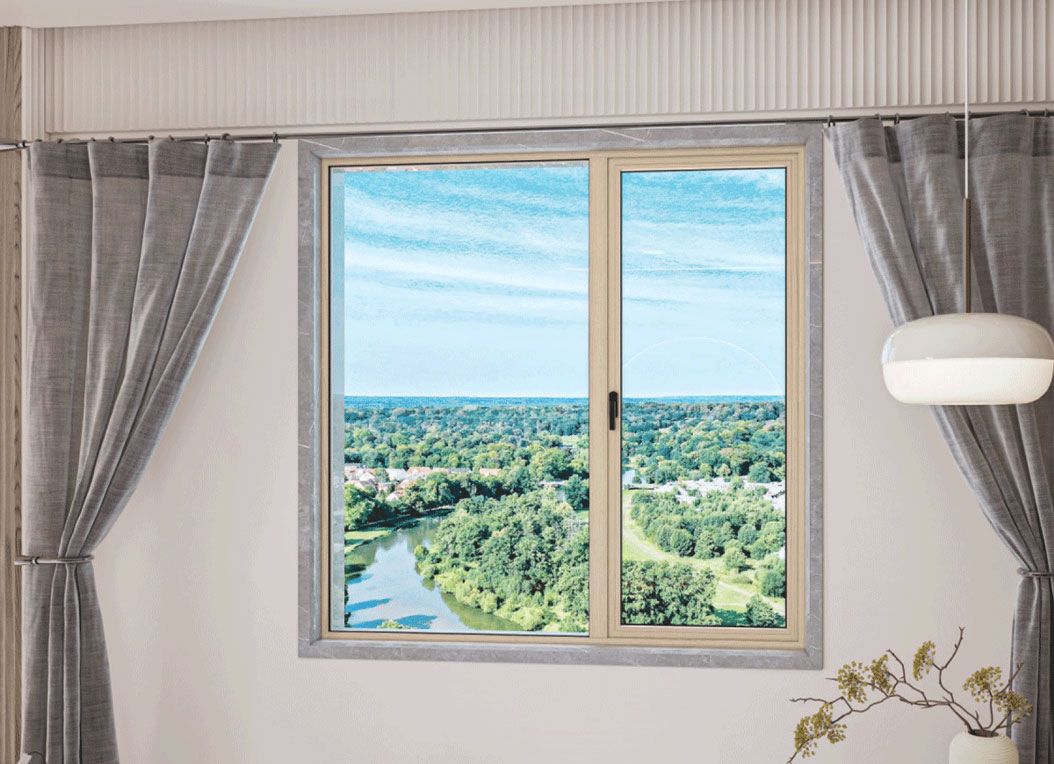
| Bathroom or utility | A compact sliding or casement window — aluminium or uPVC |
| Double-height wall or stairwell | Fixed glass in slim aluminium frames |
Not sure how each type opens? See them move in our window explorer.
Questions
Do aluminium windows get hot in summer?
The frame conducts more heat than uPVC, but most of the heat comes in through the glass. With solar-control or double-glazed glass on sunny walls — and a thermally broken profile where needed — aluminium windows work well even on hot, sun-facing walls.
Which lasts longer, aluminium or uPVC?
Both last many years when well made and properly installed. Aluminium won’t soften, warp or yellow in strong sun, and a powder-coated or anodised finish only needs an occasional clean.
Are aluminium windows noisier than uPVC?
No — noise depends mainly on the glass and the seals, not the frame material. A casement with laminated or double glazing is the quietest choice in either material.
Can I use aluminium and uPVC in the same home?
Yes. A common approach is aluminium for large openings and sliding or folding doors, and whichever suits your budget for small windows. Matching the frame colours keeps the house looking consistent.