The short answer
Inland — Hyderabad, Warangal and Rayalaseema — the big challenges are heat, glare and dust: use solar-control or double-glazed glass on west- and south-facing walls, and well-sealed frames. In coastal Andhra, near the sea in Visakhapatnam, Kakinada or Nellore, add salt air and storm winds: choose quality powder-coated or anodised aluminium, stainless-steel hardware, sturdier profiles and toughened or laminated glass. Everywhere, good seals, drainage and careful installation keep the monsoon out.
Two states, three kinds of weather
| Region | What windows face | Focus on |
|---|---|---|
| Telangana — Hyderabad, Warangal, Karimnagar, Khammam | Hot, dry summers, heavy monsoon downpours, dust and city traffic | Heat-control glass, tight seals, drainage |
| Rayalaseema — Kurnool, Anantapur, Kadapa, Tirupati | Some of the hottest, driest summers, with strong glare | Solar-control or double glazing, shading, light-coloured frames |
| Coastal Andhra — Visakhapatnam to Nellore | Humidity, salt air near the sea, and cyclone season | Corrosion-resistant finishes and hardware, stronger profiles and glass |
Most homes deal with more than one of these — a sea-facing flat in Visakhapatnam has heat, monsoon rain and salt air to think about.
Beating the heat
Glass is most of a window’s area, so it decides most of the heat that comes in.
- Solar-control glass — tinted or reflective — cuts heat and glare on west- and south-facing walls.
- Double-glazed units (two panes with a sealed gap) slow the heat down and also reduce noise.
- Shade first: sunshades (chajjas), balconies and external screens stop the sun before it reaches the glass.
- Light-coloured frames absorb less heat than dark ones on very sunny walls.
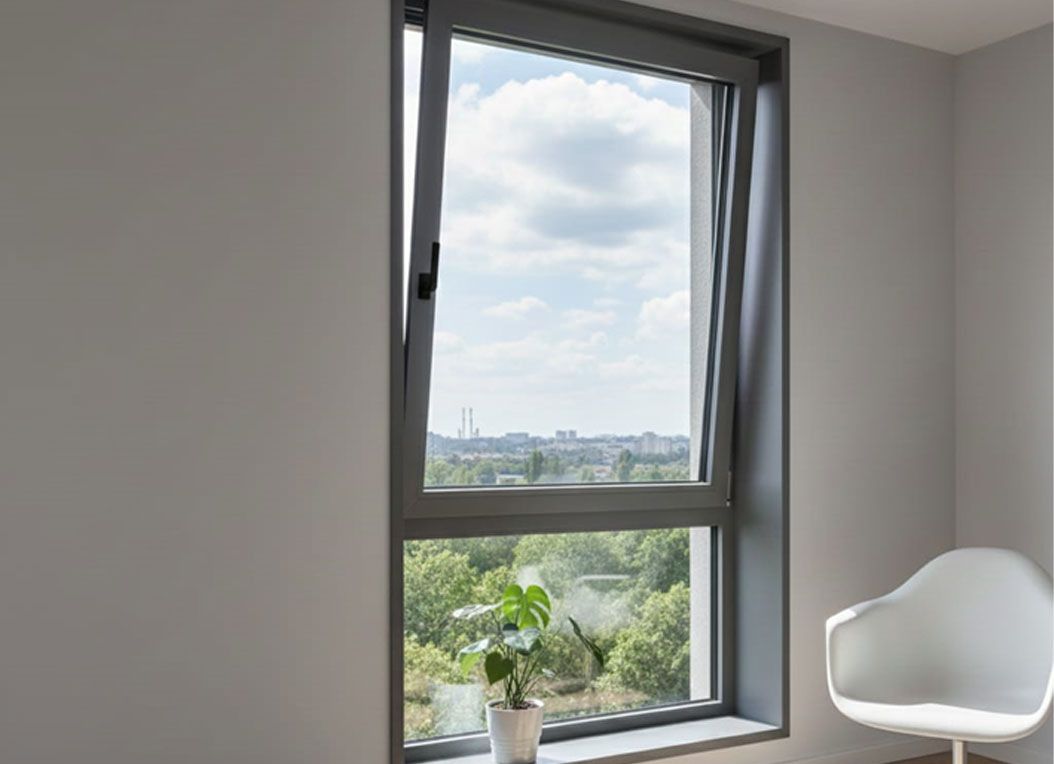
- Ventilation: casement and tilt & turn windows let you catch cross-breezes in the cooler evening hours.
Aluminium itself copes well with heat: it doesn’t soften or warp, so frames stay straight and windows keep sliding smoothly.
Keeping the monsoon out
- Seals: EPDM gaskets and brush seals stop wind-driven rain and dust.
- Drainage: good sliding systems have built-in drainage that carries water back outside — keep the drain holes clear of dirt.
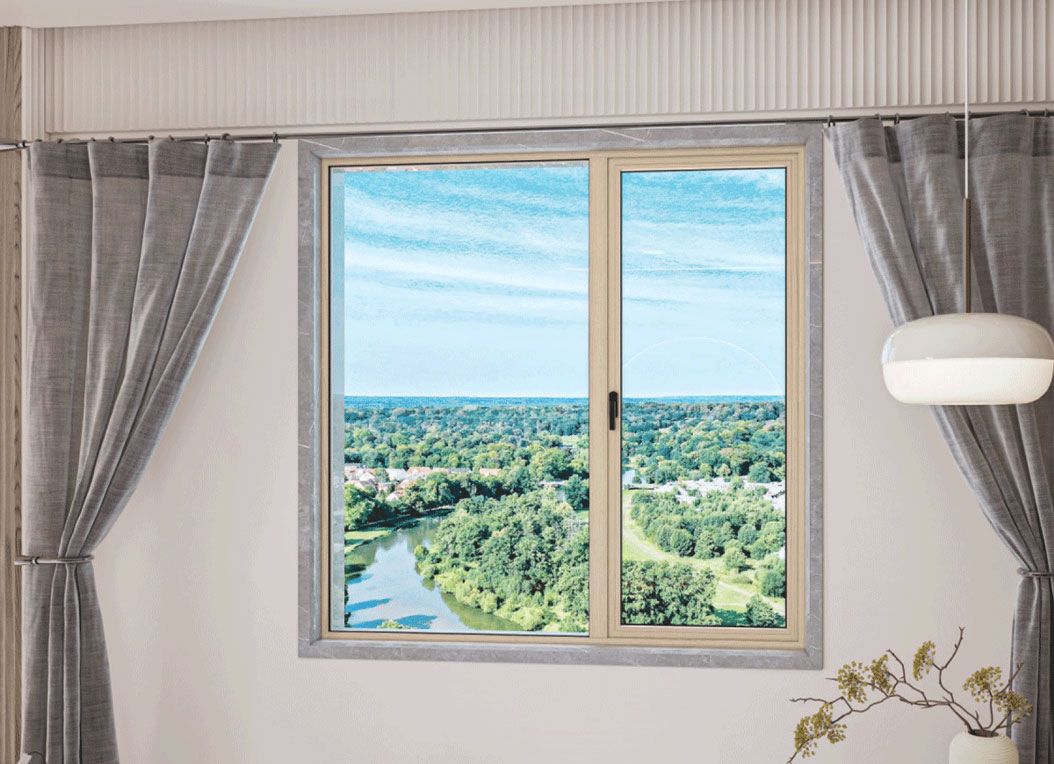
- Casements on exposed walls: they press shut against continuous seals, the tightest seal of any opening type.
- Installation: frames must be fitted level, with the gap between frame and wall properly sealed and the sill sloping outward.
Leaks often start at the joint between the frame and the wall rather than in the window itself — which is why installation matters as much as the system.
Near the sea: salt air and cyclones
Salt in the air speeds up corrosion of metal parts, and coastal Andhra faces cyclones from the Bay of Bengal. Near the sea:
- Choose a quality finish — powder-coated or anodised aluminium, with a good coating thickness.
- Use stainless-steel hardware and fixings, so hinges, rollers and screws don’t rust.
- Rinse frames and tracks with fresh water every few months to wash off salt.
- On upper floors and sea-facing walls, ask for the profile, glass and fixings to be checked for wind. Multi-point locks hold sashes tight against the frame.
- Toughened or laminated glass is safer if a pane does break in a storm — laminated glass stays in place.
For balconies by the sea, see our glass railings guide — marine-grade stainless steel matters there too.
Dust and traffic noise
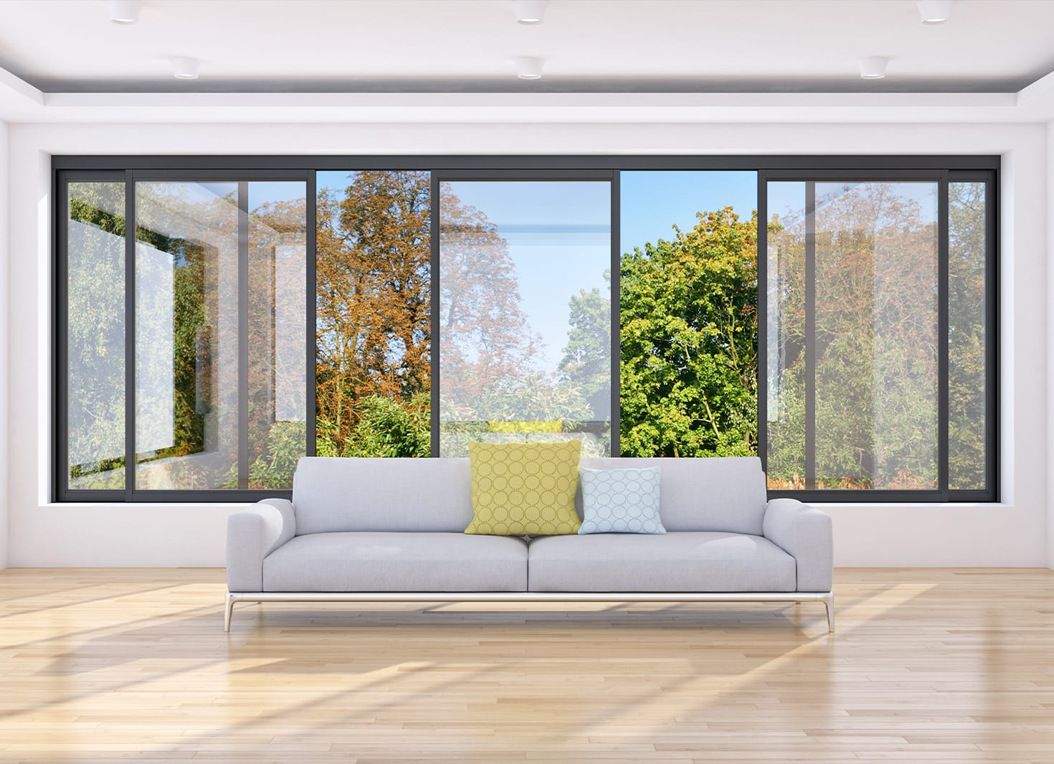
- Casements seal tightest against dust and noise; sliding windows rely on brush seals and interlocks.
- Laminated or double-glazed glass makes the biggest difference to traffic noise.
- Fly mesh: a 3-track sliding frame can carry a mesh shutter on the extra track.
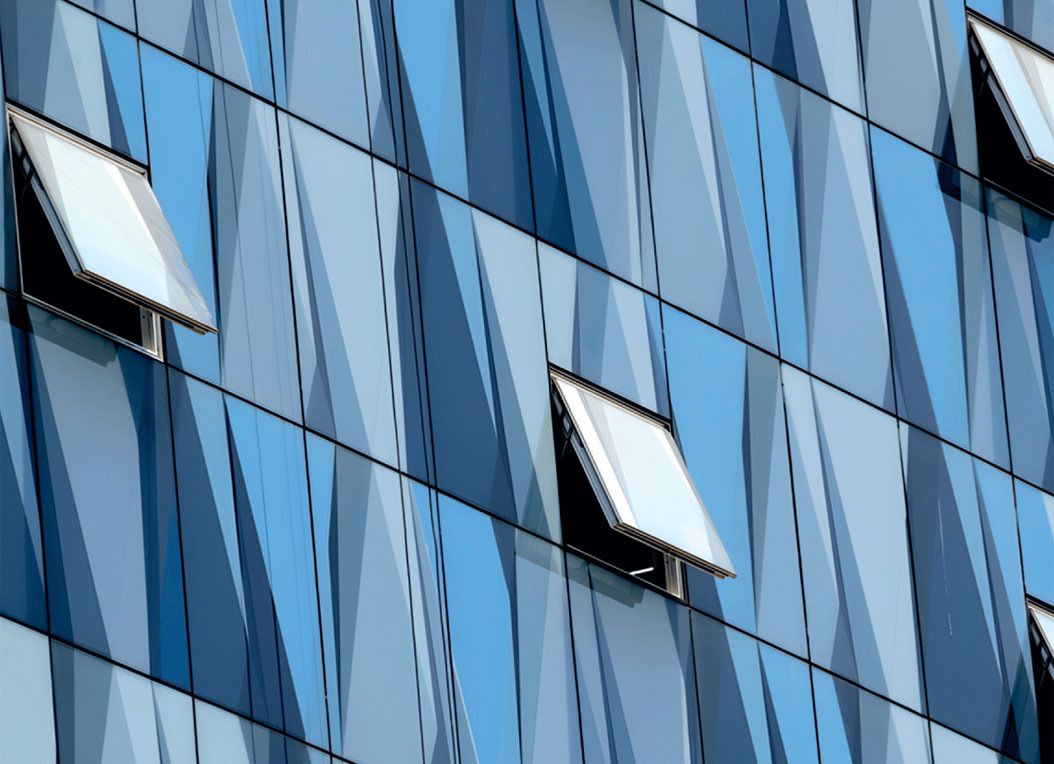
- High-rise flats: tilt & turn windows ventilate while staying locked at the sides.
Before you buy: a quick checklist
- Which walls get the afternoon sun? Plan the glass for those first.
- Does the window face the sea, a busy road or open land?
- Which opening type suits each room? See them move in our window explorer.
- What glass for each opening — toughened, laminated, solar-control or double-glazed?
- Which finish and hardware grade — especially near the coast?
- Who installs it, and how will the frame be sealed to the wall?
- Is the quote itemised, opening by opening?
Questions
Which glass is best for hot summers?
On west- and south-facing walls, solar-control glass (tinted or reflective) or a double-glazed unit makes the biggest difference. Clear toughened glass is usually fine on shaded sides. Ask to see samples — tints vary in colour and in how much light they let through.
Will aluminium windows corrode near the sea?
Aluminium with a quality powder-coated or anodised finish and stainless-steel hardware holds up well near the coast. Rinse frames and tracks with fresh water every few months to wash off salt.
How do I stop rain coming in through sliding windows?
Keep the drain holes in the bottom track clear, check the brush seals, and make sure the frame was fitted level and sealed to the wall. If one wall takes the full force of the rain, a casement may suit it better.
Are tilt and turn windows good for high-rise apartments?
Yes. In tilt mode the sash opens only a few inches at the top while staying locked at the sides, so air comes in while rain, children and pets stay safe.